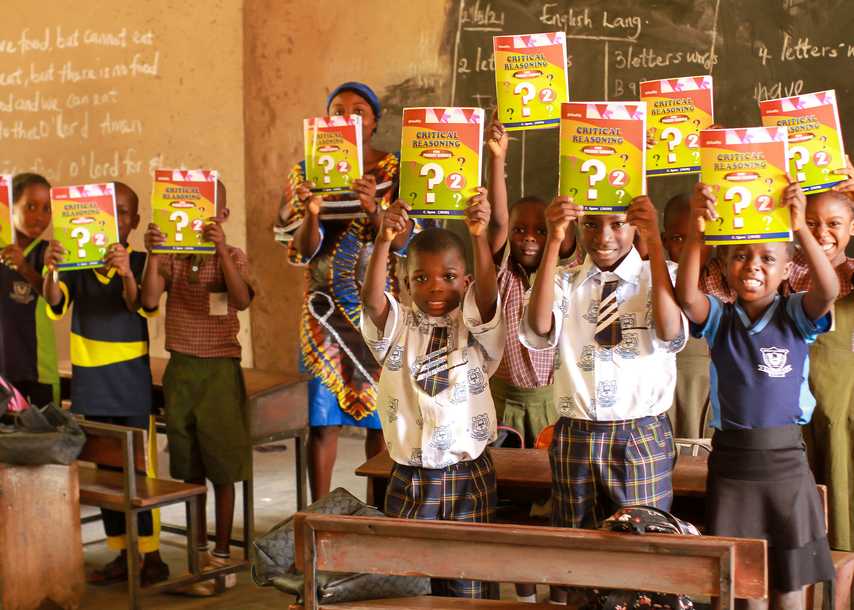

January 1, 2024 Skepticism for Children (S4C) or Skepticism for Kids(S4K) in Africa is a subset of philosophy for children. Philosophy for children teaches children to reason and argue, to debate, dispute, object, and interrogate issues. S4C aims to provide a...
January 20, 2025 A critical thinking workshop held at De-Merry Hills Schools in Ogun State last year stood out because it highlighted three parties essential for critical thinking programmes in schools. At the event, students, parents, and teachers were present and...
PLATO is an organization that aims to "nurture young peoples curiosity, critical thinking, and the desire to explore big questions through philosophy and ethics programs for students, educators, and families.".Read full article here.
A member of the International Council of Philosophical Inquiry with Children and director of Critical Thinking Social Empowerment Foundation, Dr Leo Igwe, has emphasized the need for the African continent not to be left behind in doing philosophy with children.Read...
I studied philosophy for my first and second degrees but until recently I was not particularly fascinated by the idea of doing philosophy with children.
In this article, we take a look at common arguments used to promote that someone has supernatural powers. Imagine Mr. X. He claims to have supernatural powers. The powers can be anything, such as the power to cure diseases, summon devils, talk to angels. What are the...
Logical fallacies are errors in reasoning or flawed arguments. They can take many different forms, but they all tend to be mistakes in the way we construct or understand an argument. Below are the most common examples of logical fallacies. Used with permission from...
This 15-point checklist will help you tell science from pseudoscience. 1. Does the claim meet the qualifications of a theory? Very few claims that aren't true actually qualify as theories. Let's review the four main requirements that a theory must fulfill. A theory...